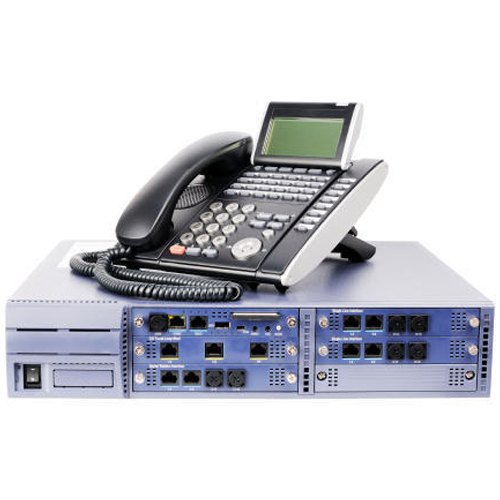
Telephone Pbx
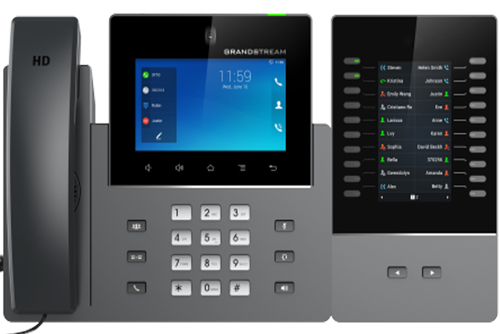
PBX is a system that connects telephone extensions of a company to outside public telephone network as well as to mobile networks. An IP (Internet Protocol) PBX (Private branch exchange) is a PBX that provides audio, video, and instant messaging communication through the TCP/IP protocol stack for its internal network and interconnects its internal network with the Public Switched Telephone Network (PSTN) for telephony communication.
VoIP (Voice over Internet Protocol) gateways can be combined with traditional PBX functionality enabling businesses to use their managed intranet to help reduce long distance expenses, enjoy the benefits of a single network for voice and data and advanced CTI features or be used on a pure IP system which in most cases give greater cost savings, greater mobility, and increased redundancy.
1. Easier to install & configure than a proprietary phone system: An IP PBX runs as software on a computer and can leverage the advanced processing power of the computer and user interface as well as Windows’ features. 2. Easier to manage: An IP PBX can be managed via a web-based configuration interface or a GUI (Graphical User Interface), allowing you to easily maintain and fine tune your phone system. 3. Significant cost savings using VOIP providers: With an IP PBX you can easily use a VOIP service provider for long distance and international calls. The monthly savings are significant. If you have branch offices, you can easily connect phone systems between branches and make free phone calls.